Emcee / Master of Ceremonies Magician | David Malek
The Role in Plain Terms
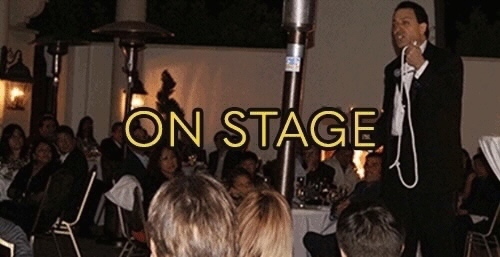
An emcee sets the pace, frames each segment, and keeps attention focused where it belongs. I approach the microphone as a host first and a magician second. The structure is simple: welcome the room, establish tone, introduce speakers, bridge segments, and land the close on time. Magic is used sparingly and strategically—short, high-clarity pieces that reset the room or highlight a transition without turning the program into a show.
Hosting With Built-In Moments
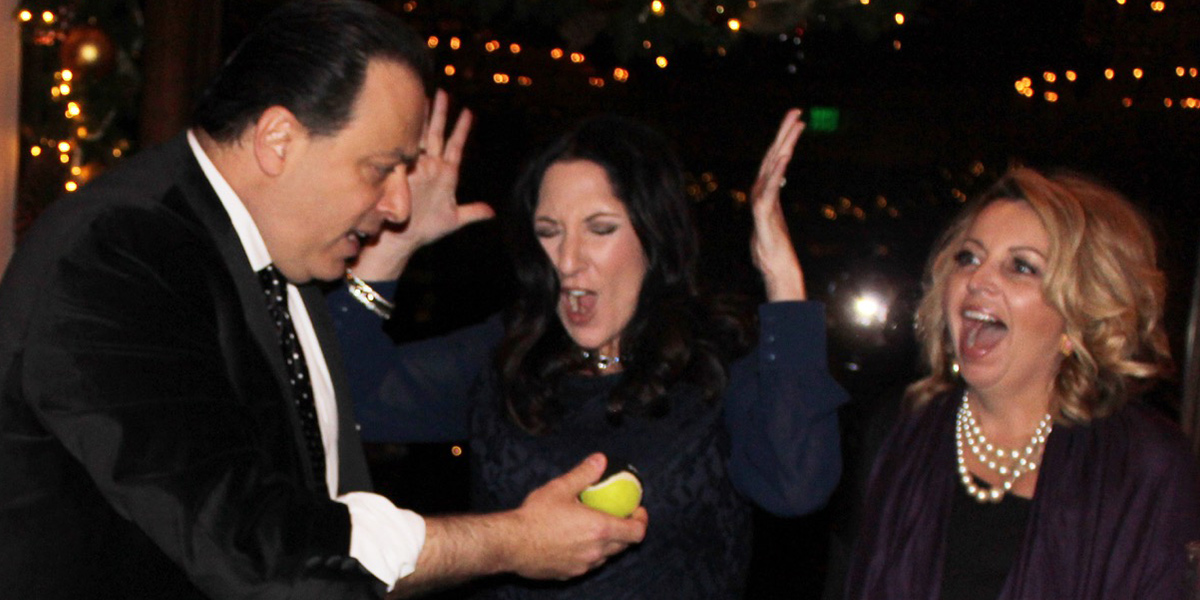
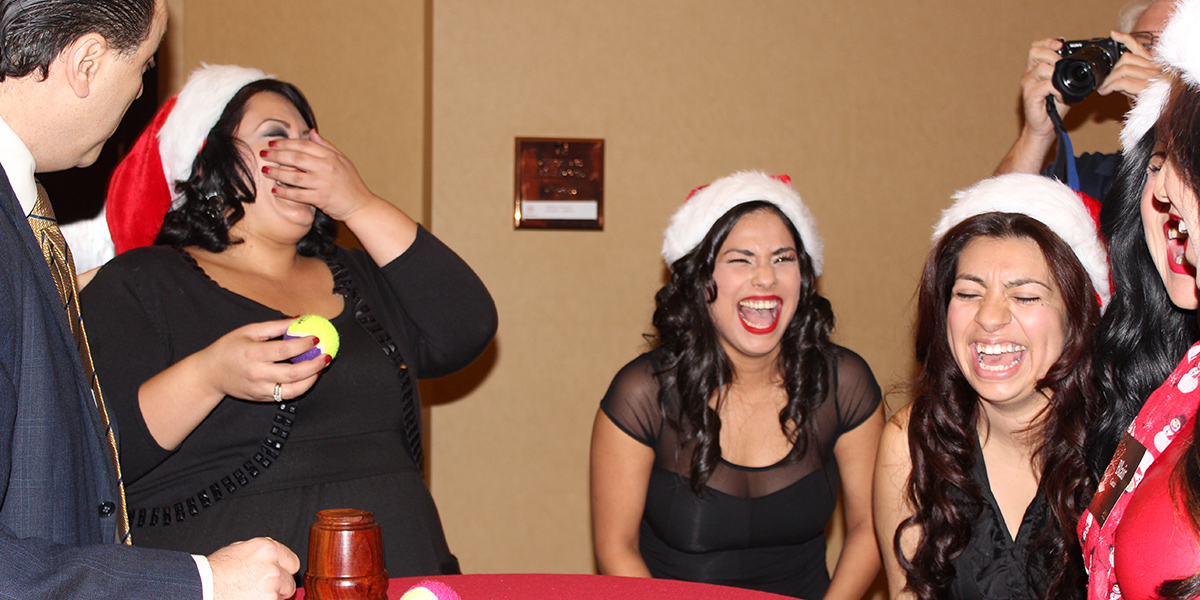
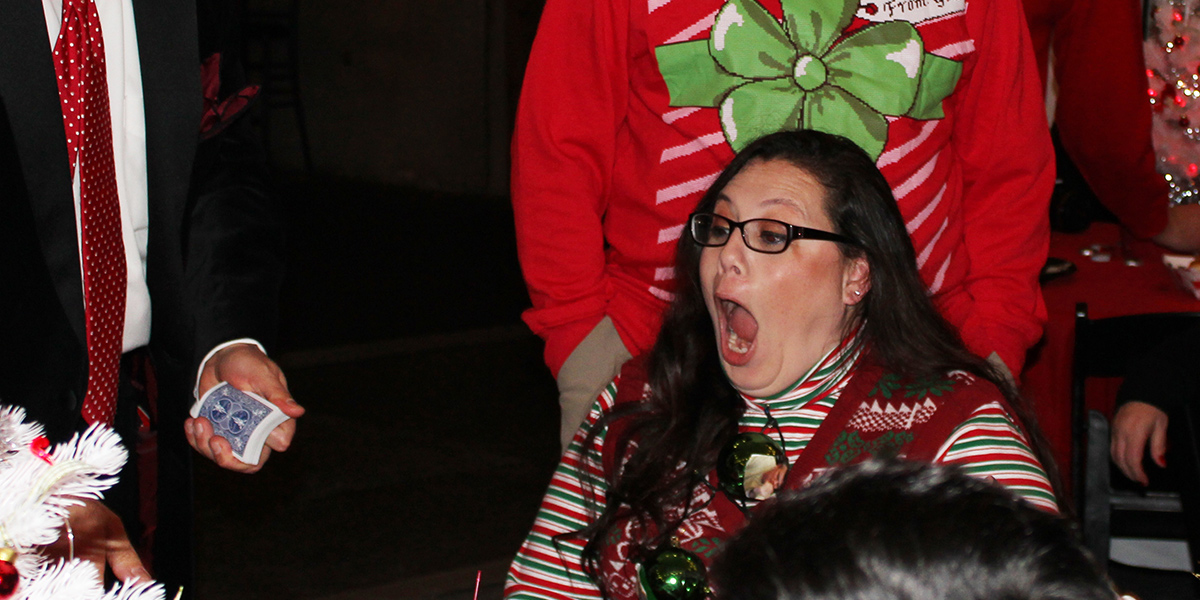
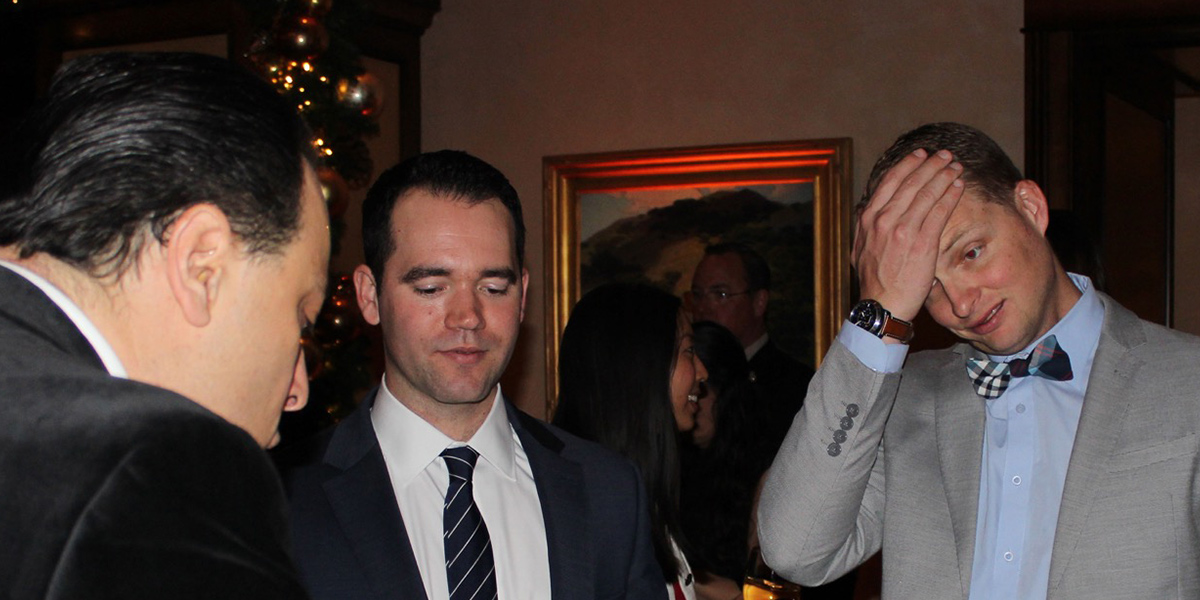
Most business audiences want a confident guide and a few memorable beats. I weave brief, visual routines between agenda items to refresh attention: a prediction that confirms a theme, a quick reveal that leads into an announcement, or a clean, interactive piece that cues applause before a changeover. Each routine is built to stand on its own and resolve in under two minutes. Nothing requires quiet for long stretches or a stage full of props.
Voice, Timing, and Tone
The delivery is conversational and direct—no inside jokes, no filler. Intros are short, with names pronounced correctly and key points emphasized once. Segues include only what the audience needs to track what’s next. The tone stays professional and inclusive for mixed groups: colleagues, clients, partners, and guests who may be meeting for the first time. Humor is present but never at an individual’s expense.
Why Choose a Magician as Your Emcee?
Participation That’s Comfortable
When involving someone on stage, the task is straightforward: confirm a detail, make a choice, hold an envelope, press a button. The goal is to give a helper a win and return them to their seat quickly. From the back of the room, the action remains obvious; from the front row, nothing feels awkward or risky.
Transitions That Reduce Dead Air
Good hosting is mostly about what happens between the main segments. I front-load names and order of appearance, set applause cues, and give the room a clear reason to look forward. If there’s a gap while a lectern moves or a slide deck loads, I drop in a 60–90 second reset that brings the focus back to center and hands off cleanly. The emphasis is on tempo—moving from one beat to the next without drift.

Ways to Use an Emcee Who Also Performs
-
Awards and recognitions: Short open, tight category setups, and brief resets when trophies swap hands.
-
General sessions: A clear welcome, concise speaker intros, a quick attention lift after breaks, and a reliable close.
-
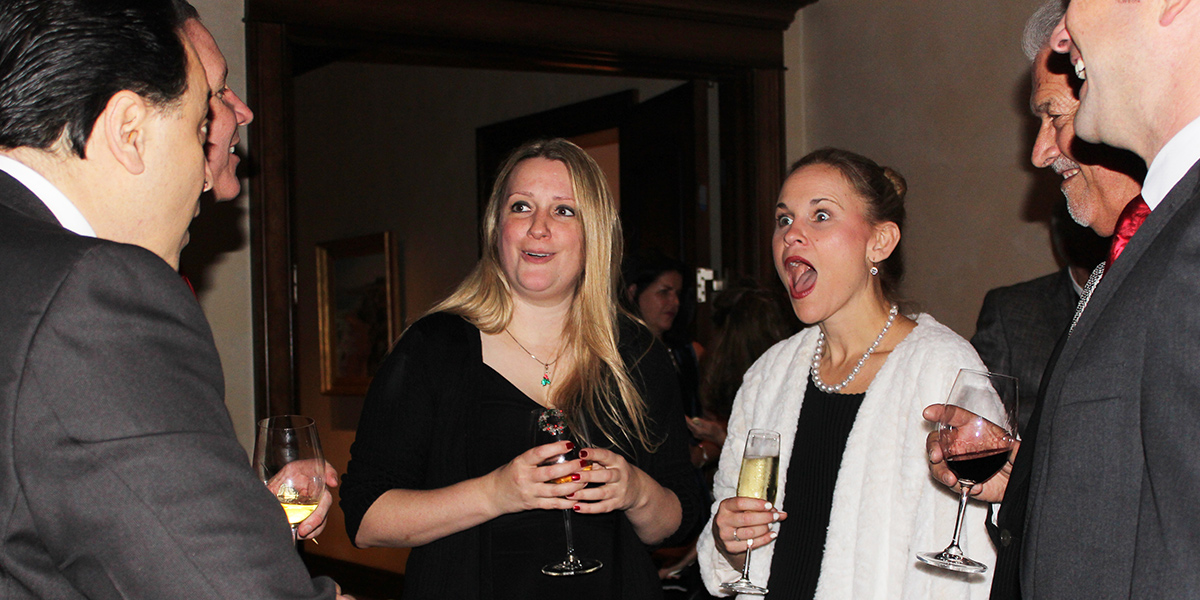
Receptions with remarks: Roaming greetings at the top, a compact central piece to gather the room, then light links for a toast or announcement.
-
Hybrid or multi-room programs: Duplicate key beats so both spaces receive the same clarity and pacing.
What the Magic Actually Does Here
It serves as punctuation. A single prediction can underline a theme. A visual change can signal a turn in the agenda. A quick interactive piece can re-center the room after dinner or before a panel. These are not extended routines; they’re practical tools that make a timeline feel intentional.
Sound, Sightlines, and Simple Setup
The microphone choice matches the room—handheld for flexibility or a headset if both hands are needed. Routines are framed above waist level so they read from standing height and from the back rows. Footprint stays minimal: a small case, a few envelopes, and items that reset instantly. The approach relies on timing and structure rather than equipment.
Check David’s Availability
Content Standards
Material is clean and suited to business settings. Language avoids sensitive topics. Company names are confirmed in advance, and any thematic references are kept light so they support, rather than overshadow, the reason everyone is there. I’m fully insured and experienced on corporate stages.
Sample Program Outline (editable to fit)
-
Welcome (2–3 minutes): Orientation, program map, and acknowledgment of key contributors.
-
Segment links (throughout): Thirty-second setups, name-forward introductions, and clear applause cues.
-
Attention resets (1–2 times): Brief, visual pieces placed before a panel, an award block, or a late-program announcement.
-
Closing (2 minutes): Thanks, final logistics, and a short visual button that signals completion.
Why Pair Hosting With Magic
It keeps the room engaged without asking for a full stop. The host duties remain primary—clarity, names, timing—while the magic provides small, unmistakable moments that knit the agenda together. The result is a program that feels steady from start to finish.
These companies plus countless more trust David when it comes to hiring the best-in-class emcee/master of ceremonies magician.












The David Malek Difference
What sets David apart is more than sleight-of-hand — it’s his ability to read a room, manage an agenda, and make every guest feel connected. Whether he’s introducing a CEO, handing out awards, or leading into a keynote, David’s presence adds credibility, warmth, and excitement. He’s not just filling time — he’s creating continuity that makes your event unforgettable.