
Stage Show (Corporate Stage Magic Shows) | David Malek
Unforgettable Magic for Large Audiences
A stage show at a business event has one job: bring the room together for a focused stretch of time and leave everyone with a shared memory. That’s the point of my work as a corporate stage magician. The material is built for clarity, reads from the back row, and moves at a pace that respects how corporate gatherings actually unfold. No rambling narratives, no awkward audience handling—just strong, understandable moments that land cleanly and then get out of the way of what comes next.
What challenges a stage show solves
Rooms with mixed guests—executives, teams, clients, partners—need a single experience that cuts through small talk and resets attention. A tight stage set does this better than almost anything else. It creates one storyline the whole group can follow, it frames announcements or awards, and it gives people something easy to talk about afterward that isn’t sales or schedules.
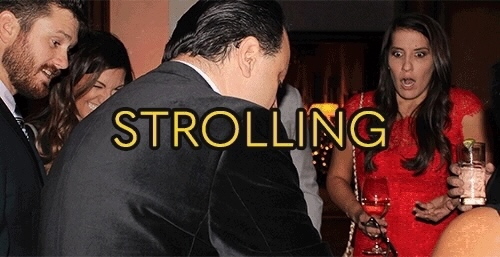
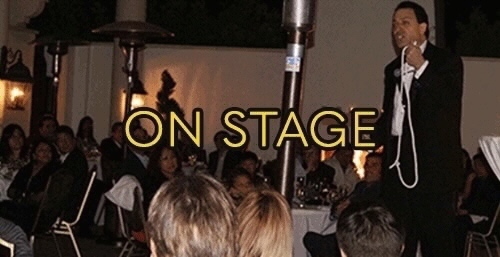

How the set plays in the room
The show opens with visual pieces that require little explanation: objects appear where they shouldn’t, a prediction proves correct in a place no one thought to check, and a simple choice leads to an outcome that felt impossible a minute earlier. From there, the pacing alternates between fast visual beats and short interactive moments so the room never drifts. Every routine ends on a clear cue—no “one more thing” add-ons—so timing stays tight.
Material style
Effects are chosen for business environments: direct, fair, and easy to follow even if you’re standing. The methods rely on sleight-of-hand, timing, and structure rather than bulky props. Humor is conversational and situational. Nothing relies on inside jokes or references that exclude part of the room. David is fully insured, clean, and nonoffensive.
Audience participation—used well
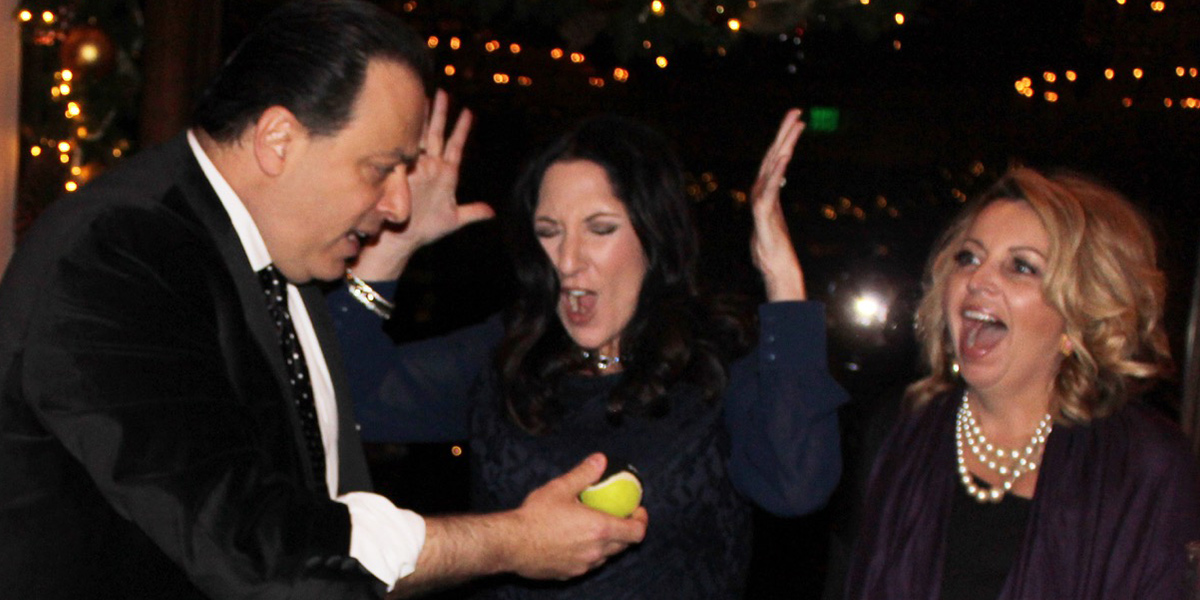
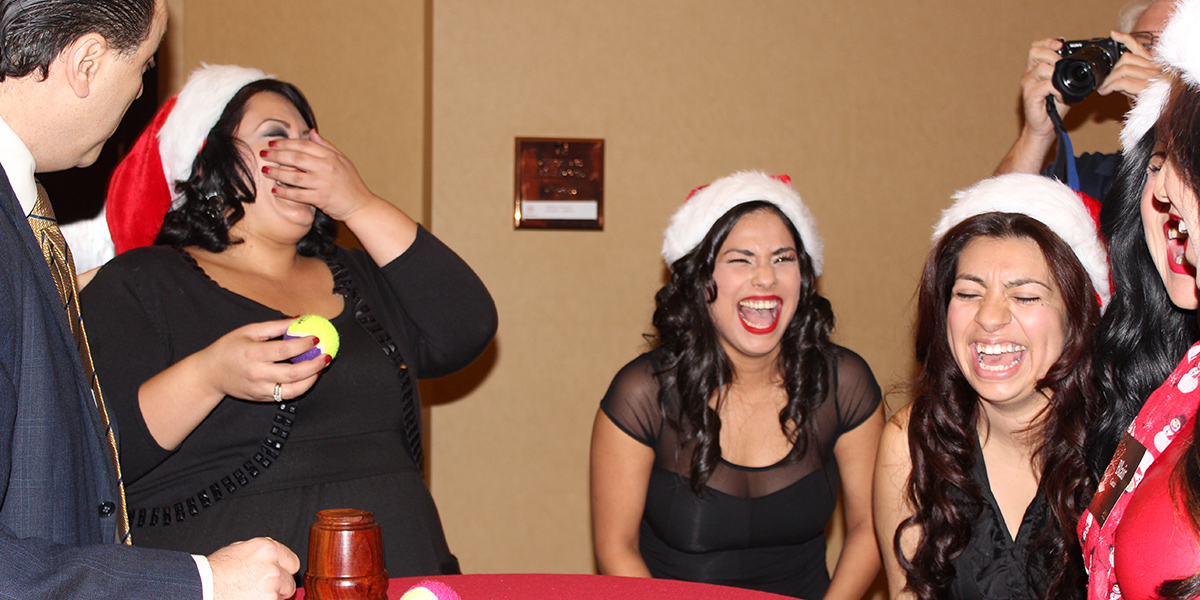
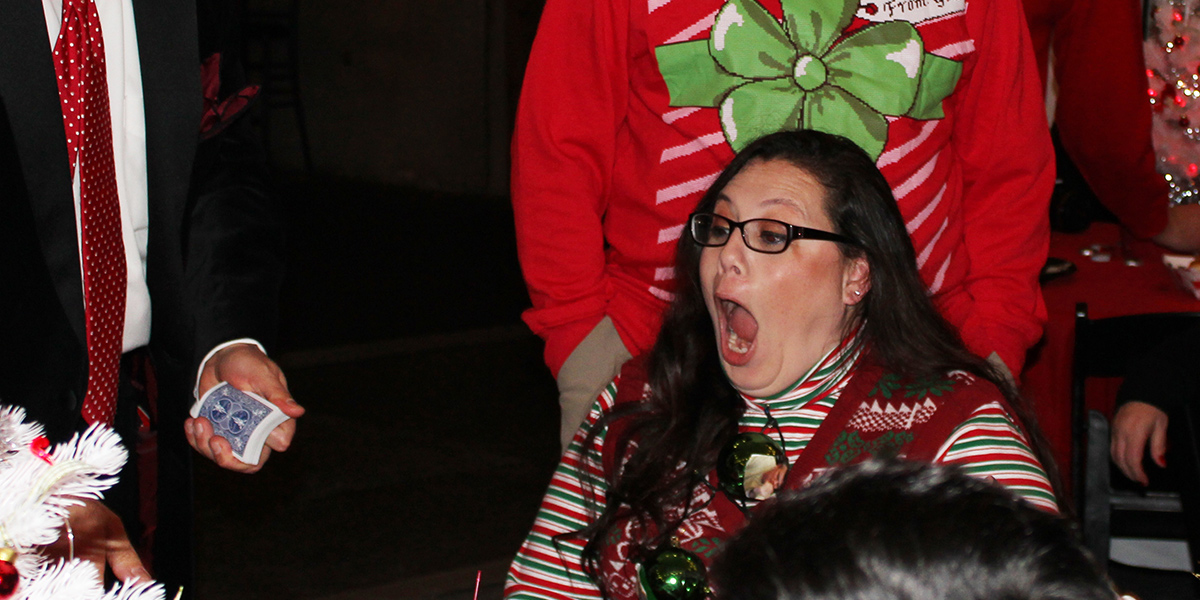
Participation is always voluntary and designed to be comfortable. When someone comes on stage, their role is simple and successful by design—hold an envelope, make a choice, confirm a detail. The goal is to give that person a good moment while letting the rest of the room see and enjoy the outcome without confusion.

Sound and sightlines
Corporate venues vary: ballrooms, theaters, wide conference rooms, temporary stages. The show scales. A compact headset microphone supports clear delivery. Routines are blocked so the action happens above waist level and plays to the corners, not just center seats. If there’s IMAG, cues are straightforward and easy to follow. If there isn’t, the material still reads.
Run time options that make sense
Common lengths are 12–15 minutes for a crisp centerpiece, 20 minutes for a stronger arc, and 30 minutes for a full headliner. Each version has its own opening, middle, and final beat, so nothing feels padded or rushed. The set can sit before awards, between courses, or immediately after a short speech. It does not require blackout conditions or elaborate scene changes.
Check David’s Availability
When a stage show is the right call
-
Company parties where you want one moment of full-room focus
-
Awards programs that need a unifying segment between categories
-
Conferences with an evening reception that benefits from a defined centerpiece
-
Client appreciation nights where guests may not know each other well
-
Town-hall style meetings that could use a reset before a final announcement
These companies plus countless more trust David when it comes to hiring the best-in-class corporate stage magic shows.